
As geopolitical disruption persists, what was recently seen as a long-term ambition – to build clean industrial systems – is now an immediate priority: building more stable and resilient industrial systems, which as it happens will also be cleaner. Our colleagues across the world are watching this shift play out in real time and we see genuine momentum as we convene leaders across industry, policy, and finance.
In early June we will publish the next edition of MPP’s Global Project Tracker – and while we are still to complete the full analysis, it’s already clear the data will indicate a positive change in the pace of investment, backing up the anecdotal evidence.
Clean industry is becoming a strategic imperative
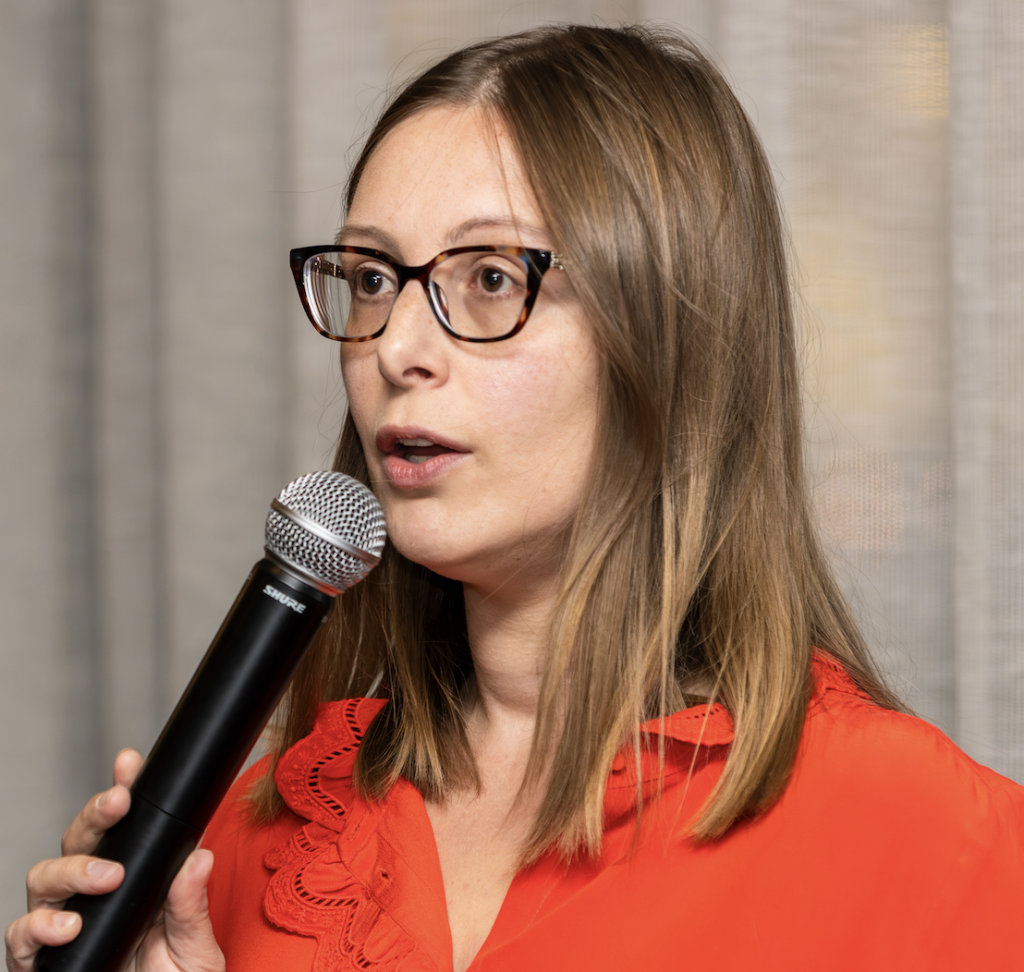
By Faustine Delasalle, CEO MPP, Executive Director of the ITA
In our last edition of Signal, we looked at how current events have accentuated the risks associated with fossil fuel volatility and why economic resilience is now front and centre of global conversations. In the weeks since, that dynamic has become even clearer.
At the International Vienna Energy and Climate Forum (IVECF), conversations I took part in were less about long-term ambition and more about immediate priorities: how to make projects investable, how to build value chains across borders, and how to navigate an ever-more fragmented geopolitical landscape.
Disruption to gas supply and fertiliser trade routes following the closure of the Strait of Hormuz has highlighted just how exposed many economies are. Nowhere is this clearer than in agriculture. In South America, where farming both underpins economic stability and plays a critical role in global food supply, countries are heavily dependent on imported nitrogen fertilisers produced using gas. When those supply chains are disrupted, the consequences are swiftly felt.
Against that backdrop, a recent development stands out. Last month, ATOME reached final investment decision on its Villeta green fertiliser project in Paraguay – a first-of-its-kind facility, using hydropower to produce ammonia without relying on gas. As CEO Olivier Mussat put it, this is not primarily a “green story” but a food security story.
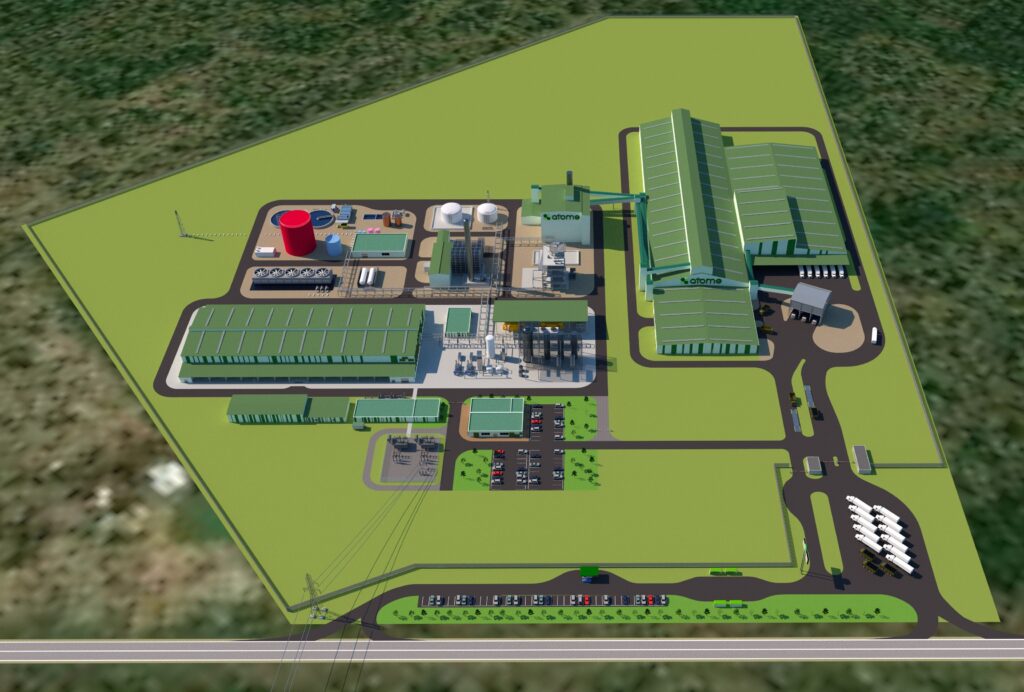
Villeta is relatively small in global terms, but it’s an indicator of an important trend – that clean industrial projects can be financed and built in response to structural vulnerabilities. By making production local and disconnecting it from the volatility of fossil fuel prices, these projects offer a form of resilience that traditional systems cannot provide. It’s a clear example of clean industry offering the stability that governments are now seeking.
While there are around 1,000 announced projects in the global pipeline, only a small number reach financial close each year. The key issue remains predictable demand for the low-carbon products – and as long as markets fail to recognise the value of clean materials, chemicals and fuels, investment will lag. To my mind it’s not the “green premium”, but the “dirty discount” which is holding progress back. A recent analysis published in Nature estimated the social cost of carbon based on the damage it causes: the authors calculate that a tonne of CO₂ emitted in 1990 caused about $180 in global damage by 2020, and will cause between $500 and $5700 in additional cost by 2100. If carbon prices today matched the true cost of emissions, clean technologies across harder-to-abate sectors would be competitive.
In the absence of carbon prices that reflect the true cost of emissions, unlocking demand for low-carbon products will require action at several levels, and meetings such as IVECF served to clarify thinking on which issues are best tackled where:
- At the national level, governments will determine the pace of change. Countries most exposed to fossil energy volatility but with big potential renewable resources are those who can drive the transformation. Clean industry for them isn’t just about emissions, it’s about having more control over their own energy, food and industrial systems. This is why we at MPP focus much of our attention on the emerging “sunbelt” economies such as India and Brazil.
- At the bilateral level, we’re seeing partnerships emerge to build cross-border value chains. Clean industry does not develop in isolation – the most competitive projects connect renewables, industrial capacity and demand across countries in ways that reflect their respective strengths.
- And at the multilateral level, cooperation is essential, particularly on standards and global rules. While it’s also the slowest route and so unlikely to be a solution to unlocking near-term investment, it remains the ultimate vehicle for establishing long term, common frameworks that establish a level playing field across the globe.
These dynamics are rapidly showing up more clearly in global conversations. At the recent gathering in Santa Marta to discuss moving away from fossil fuels altogether, there was a refreshing level of ambition.
This is another valuable signal of momentum: countries recognising that their futures lie in clean systems – energy and industrial systems that are more resilient, more competitive, and better able to support stable, long-term growth.
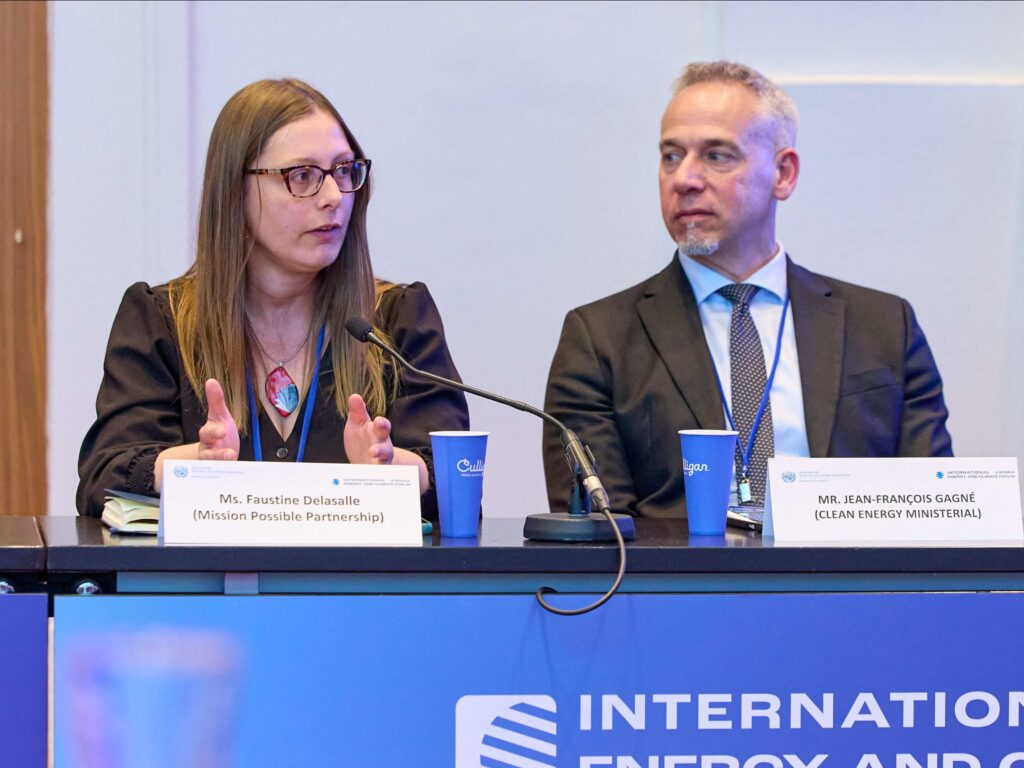
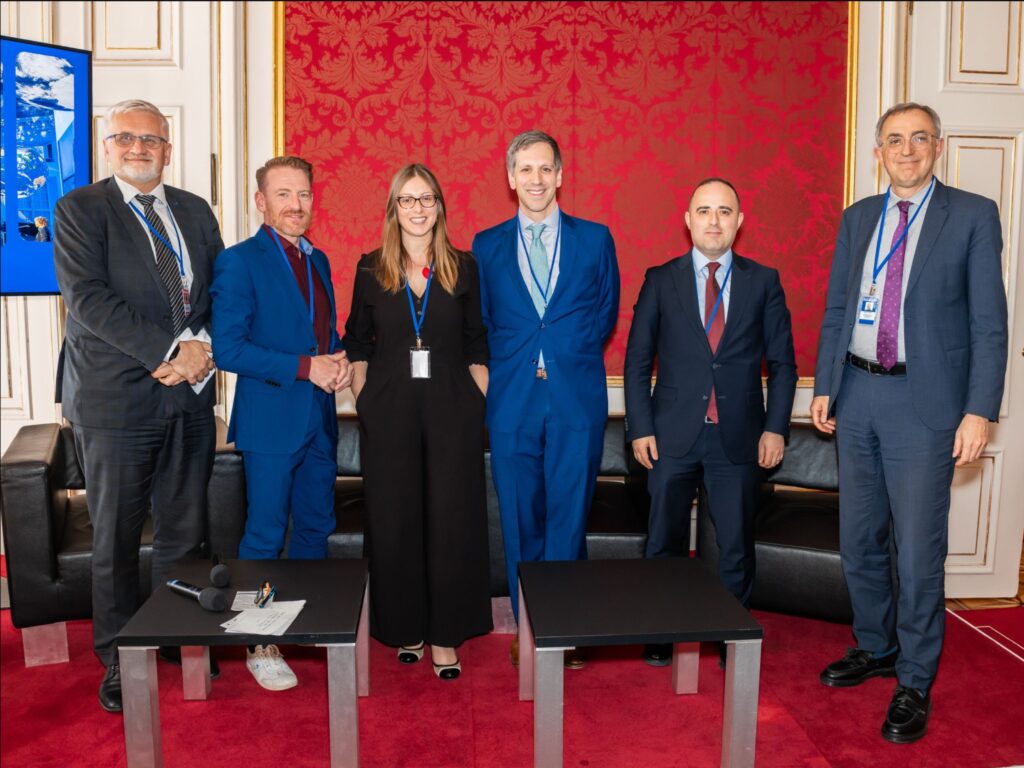
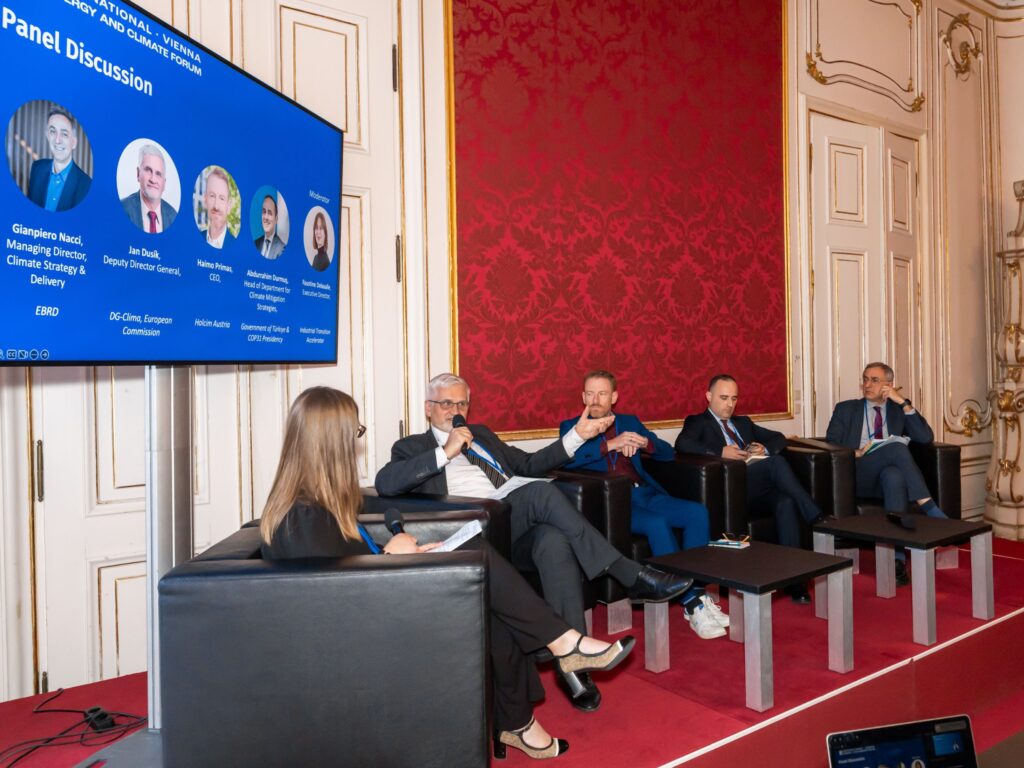
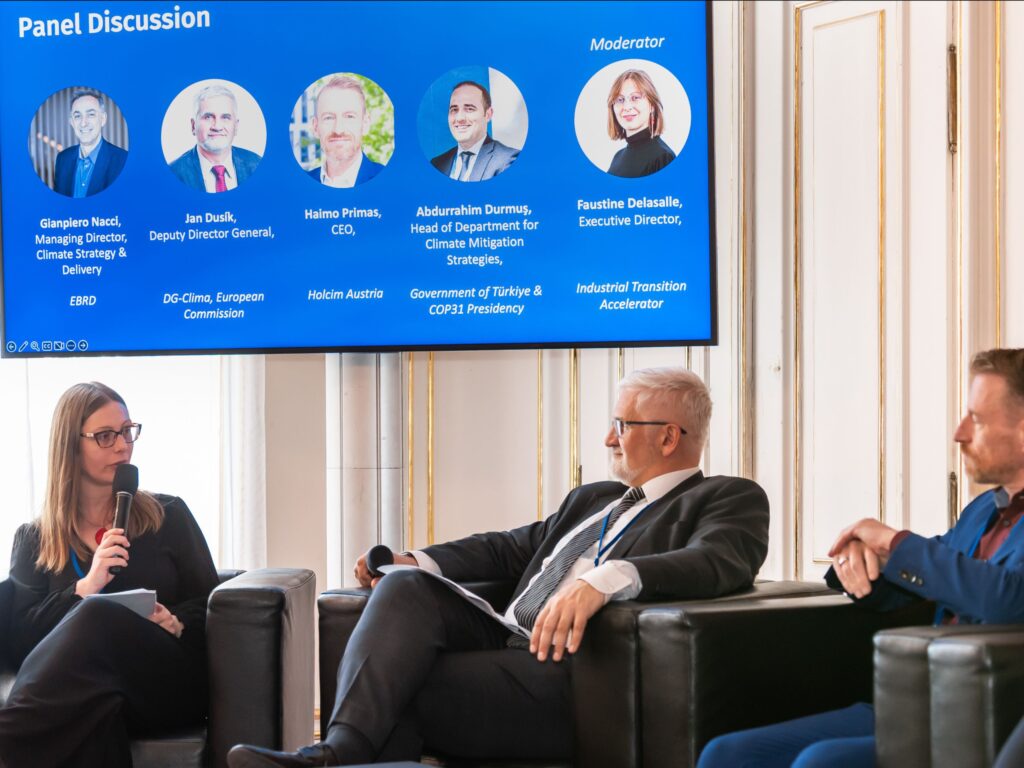
Top centre: Jan Dusík (DG-Clima, European Commission); Haimo Primas (Holcim Austria); Faustine Delasalle (MPP, ITA); Michael Apicelli (The Climate Club); Abdurrahim Durmuș (Government of Türkiye & COP31 Presidency); Gianpiero Nacci (EBRD)
Clean industry momentum build across Asia-Pacific
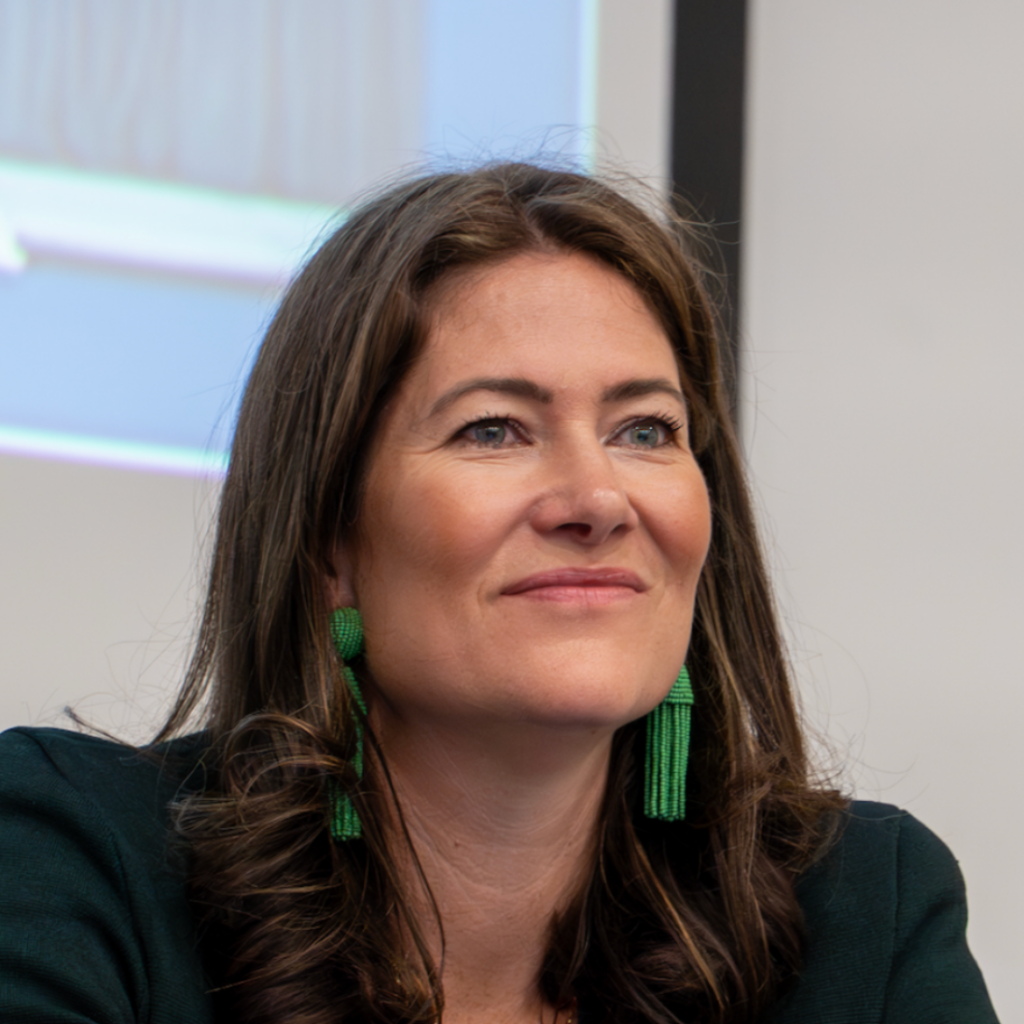
Rachel Howard, MPP’s Asia-Pacific Director, reports on a critical period of engagement across the region: from Australia’s clean deal pipeline to Korea’s green steel crossroads.
Highlighting Australia’s opportunity – Build Clean Now and tracking clean deals
At Climate Action Week Sydney in March, MPP launched the Build Clean Now Australia Insights Briefing, establishing for the first time the full economic scale of Australia’s clean industry opportunity. With a total of 70 projects across materials and fuels sectors (53 deep decarbonisation and 17 broader progress) currently in development, the analysis points to a AUD$200 billion pipeline, signalling that Australia’s clean industrial transition is already underway at serious scale.
Following the briefing, MPP is now tracking in granular detail the critical path to final investment decision (FID) for projects across Australia’s pipeline. This will provide the transparency that investors, developers and policymakers need – particularly around the strength of the market signals that are required to create investor confidence and enable critical development capital (Devex) to flow to ensure this pipeline can advance.
Iron and steel – Asia’s strategic opportunity and facing up to CBAM
Iron and steel represent the heaviest-emitting industrial sector in Asia, and MPP’s APAC team is conducting deep analysis across three high-potential corridors for green iron trade: Australia – China, Australia – Japan, and Australia – Korea. The work identifies both where the lowest-cost competitive production may emerge and which production pathways have the most strategic upside for technology leadership, energy security and the jobs transition.
These trade-offs are significant. Countries are weighing energy security, domestic production, jobs, the retention of market access – and critically, downstream competitiveness in the context of accelerating carbon protectionism in Europe.
The EU Carbon Border Adjustment Mechanism (CBAM) is rapidly changing the calculus for steel exporters across the region.
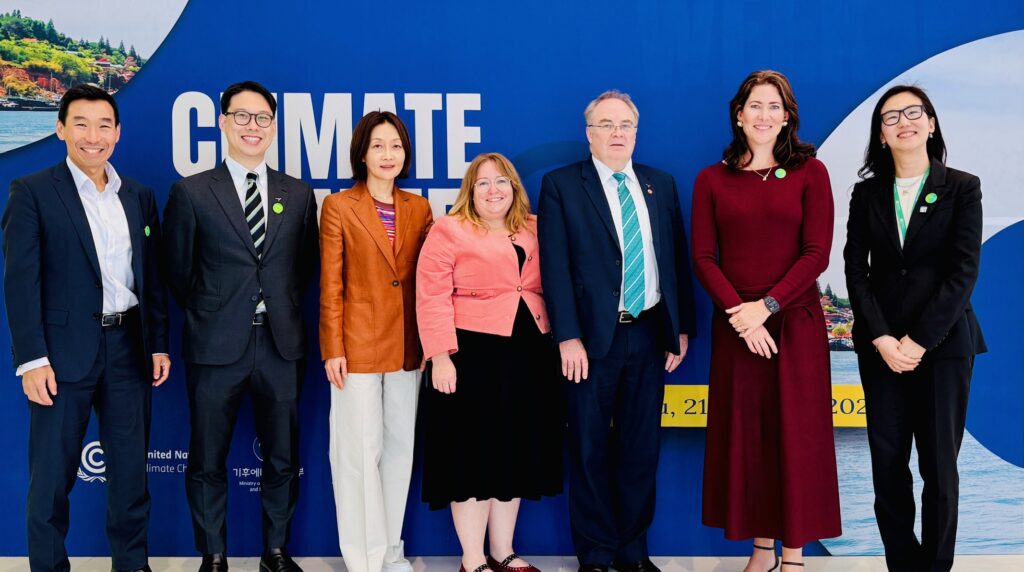
“Korean steelmakers face carbon cost exposure of USD$500 million to $1.3 billion per year if low-carbon steel cannot be made available for European markets as CBAM measures ramp up — equivalent to USD$4 billion in export value at risk.” MPP, Yeosu Climate Week, April 2026
MPP presented this analysis at UNFCCC Climate Week in Yeosu, Korea in April, generating media coverage from Yonhap News Agency and highlighting the urgency of Korea’s green steel transition as a strategic economic as well as climate imperative.
Building an Asia steel buyers’ platform – demand signals to unlock supply
MPP is supporting RMI in the development of an Asia Sustainable Steel Buyers Platform – mirroring the model successfully pioneered in the US, where RMI’s platform has seen pioneering buyers including Microsoft go to market for low-carbon steel products through an industry-led book-and-claim mechanism. Over 6 million tonnes of corporate green steel demand has been identified in Asia-Pacific and the SSBP aims to accelerate near-zero steel production by facilitating advanced market commitments from end-use corporates with ambitious climate targets.
The initiative reflects a growing recognition that demand-side signals from major buyers are as critical as supply-side investment in unlocking the green iron and steel value chain — and that Asia’s buyers have the power to reshape the economics of the transition.
The ITA – fast-tracking clean industrial projects across the world
The Industrial Transition Accelerator brings together leaders from across industry, finance, and governments to fast-track decarbonisation in the energy-intensive industrial sectors that account for around a quarter of global emissions.
Focusing on improving the wider investment environment for clean industry projects, the ITA also provides tailored support in critical sectors and key regions, including the UAE, Brazil and India.
The UAE’s Sunbelt opportunity
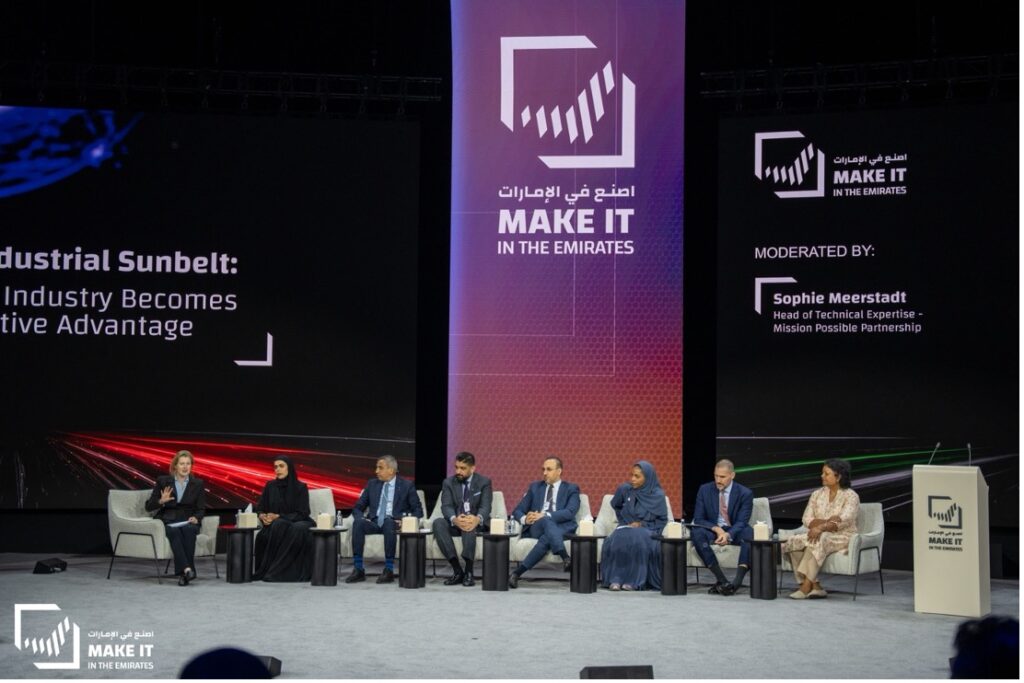
Sophie Meerstadt, MPP’s Head of Technical Strategy and Sector Insights, moderated a session at the Make It in the Emirates 2026 conference earlier this week, titled The New Industrial Sunbelt: Where Clean Industry Becomes Competitive Advantage.
Featuring panellists from the UAE government, IRENA, and Emirati industrial leaders ADNOC, EGA (aluminium) and EMSTEEL, the panel explored how the UAE can make the most of its structural advantages, such as clean energy resources, modern infrastructure, and targeted industrial policy, to cement its position as a global hub for low-carbon industrial production. The panel agreed priorities should be:
- Clean electricity access that meets international carbon adjustment standards
- A fit-for-purpose carbon capture framework for non-oil industrials
The signal from government was clear: there is willingness to collaborate with industry to move the regulatory environment.
Unlocking finance in Brazil
The ITA Brazil Programme, delivered in partnership with the Brazilian government, is set to publish a new briefing highlighting how Brazil can unlock green industrial investment opportunities by securing lower-cost finance and using “as-a-service” models.
The briefing, “Financing Industrial Decarbonisation Projects in Brazil” sets out the key barriers to investment and how to address them to accelerate clean technology deployment across the country’s existing industrial facilities.
One of the best quick wins is in efficiency and optimisation projects such as fuel switching in cement plants or boiler electrification in alumina refining, the report states. While Brazilian energy and industry need to invest US$60bn-$85bn a year to 2033, high financial hurdles and competition for capital is slowing progress.
The briefing will be published late this week – watch this space.
Collaboration in India is key to progress
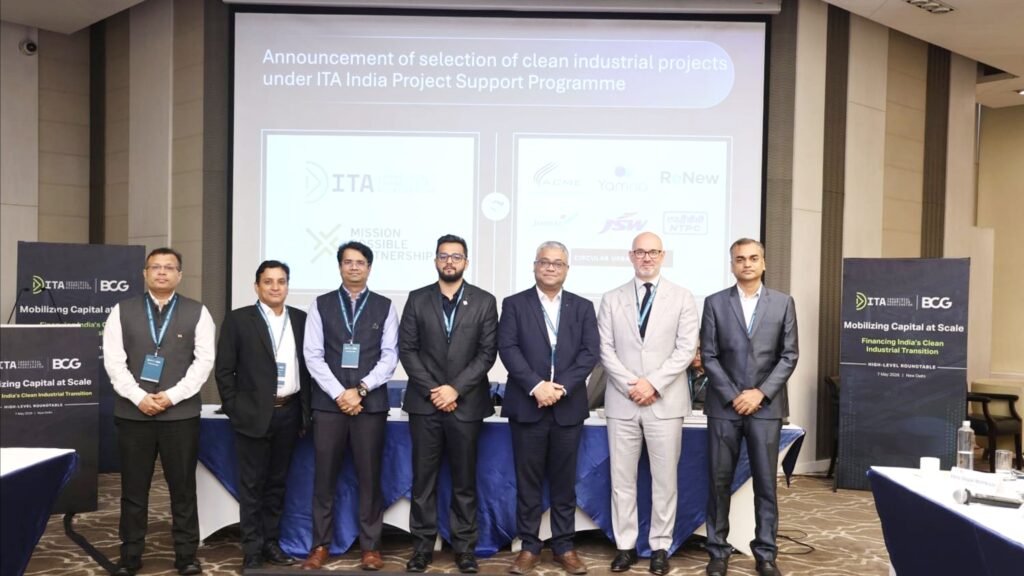
India is home to one of the largest clean industrial pipelines in the world, with some 65 projects (53 deep decarbonisation, 12 broader progress) representing more than US$150 billion in investment potential. Less than 10% of these projects have reached financial close, so through the ITA India Project Support Programme, we are working to lower the cost of capital and help ensure that India’s clean industrial transition becomes a reality.
This week in New Delhi, we focused on financial solutions that can bridge the gaps to reach final investment decision, convening a round-table with senior representatives from the Ministry of Environment, Forest and Climate Change (MoEFCC),Niti Aayog, World Bank Group, ADB, TERI, and NABFID, alongside project developers such ACME, ReNew, Hero Future Energy (HFE) and Yamna.
Bringing together this group clarified that the opportunity is clear and rapid acceleration is possible, but will depend above all on collaboration.
Meet the Bright Spot: Meranti Green Steel
With more than 80 clean industrial plants already in operation worldwide and a growing number passing critical milestones to investment, a key part of our Build Clean Now campaign is to share ‘Bright Spots’: Case studies of trailblazing industrial projects that can inspire and inform the next wave of progress.
Meranti Green Steel is spearheading green steel development in Asia-Pacific, with a $3bn investment in two plants, an iron producer in Oman and a steel plant in Thailand. It believes that a combination of strong demand for high-quality steel in the region, coupled with corporate commitments and evolving global policies, will create a strong market for high-grade green steel, particularly from the automotive sector.
By mid-2025, the company had already signed agreements covering around half of its future production, with buyers willing to pay a premium for low-carbon steel and HBI.
In Oman, it is looking to build a DRI/Hot Briquetted Iron production facility that will initially run mainly on the country’s cheap natural gas – and 25% green hydrogen – ramping up to close to 100% green hydrogen by 2045. Some of the iron from the plant will be sold externally, mainly to Europe, with the rest shipped to an electric arc furnace (EAF) in Thailand to make steel for customers in Asia-Pacific markets. The electricity for the furnace is expected to be renewable, with half of the feedstock being HBI and the rest steel scrap.
By splitting its investment between two different markets, the company made the scheme more resilient. It is creating new value chains that can be replicated elsewhere in the region, while becoming one of the first suppliers of low-carbon high-grade steel in Asia. The company is due to reach a Final Investment Decision (FID) this year, with the plants set to come online by mid-2029 with production capacities of 2.5m tonnes a year each.
To delve deeper into Meranti’s story, read the full Bright Spot case study and others here.
UPCOMING EVENTS AND PARTNERSHIPS
Hear more from Mission Possible Partnership at events and access tickets on related conferences from our partners.
- World Hydrogen Summit 2026 (19-21 May, Rotterdam, Netherlands)
- The ITA, in collaboration with GH2 India and Boston Consulting Group, will be hosting two sessions to highlight the collaboration opportunities between India and the EU, focusing on green hydrogen and derivatives trade and unlocking the offtake of green chemicals and fuels.
- Decarb Connect Europe (2-3 June, Hamburg, Germany)
- The summit brings together senior industrials, investors, project developers and buyers actively working on capital allocation and deployment decisions in 2026. Join Sophie Meerstadt, MPP’s Associate Director of Technical Strategy & Sector Insights, who will be speaking on the main stage on the topic of Financing FOAK Without Breaking the Organisation.
Book now and save an additional 25% using code MPP-25.
- The summit brings together senior industrials, investors, project developers and buyers actively working on capital allocation and deployment decisions in 2026. Join Sophie Meerstadt, MPP’s Associate Director of Technical Strategy & Sector Insights, who will be speaking on the main stage on the topic of Financing FOAK Without Breaking the Organisation.
- BNEF Summit Amsterdam (8 June, Amsterdam, Netherlands)
- Faustine Delasalle, MPP’s CEO, will be speaking on the main stage on the topic of The Clean Fuels Agenda: Hydrogen, Biofuels, E-Fuels.
- Reuters NEXT Europe (16 June, London, United Kingdom)
- Catherine McFarlane, Associate Director for Europe and Programme Insights, will be joining 300 heads of state, CEOs, financiers, technologists and civil society to drive credible pathways for growth, security and clean competitiveness.
- Climate Innovation Forum 2026 (22 June, London, United Kingdom)
- As the opening flagship event of LCAW, bringing together over 2,500 leaders from business, policy and finance, the Forum is a key platform for accelerating climate action and turning commitments into real-world impact. You can register to attend at this link.
- Reuters Events: Global Energy Forum 2026 (23-24 June, New York City, United States)
- The Forum brings together 600+ senior leaders from across energy, finance, technology and policy to address the decisions reshaping global energy markets. The event focuses on rising power demand, energy security, investment strategies and cross-sector collaboration, with key discussions broadcast to a global audience.
- You can find our team on the ground at the following events:
You can find our team on the ground at the following events
- Ecosperity Week (18-21 May, Singapore)
- 64th Session of the UNFCCC Subsidiary Bodies (8-18 June, Bonn, Germany)
- London Climate Action Week (20-28 June, London, United Kingdom)
For any enquiries, please contact:
filippo.guarnieri@missionpossiblepartnership.org
Thank you for reading, if you enjoyed this newsletter, please share it with your network.
If this edition of Signal was shared with you, you can sign up for our monthly mailings here.
The Mission Possible Partnership Team