London Climate Action Week 2025 | highlights

Faustine Delasalle reflects on clean industry progress, LCAW and makes the case for embracing opportunities

In June, the MPP team participated to the annual London Climate Action Week, where they attended key events and contributed to panel discussions and roundtables.

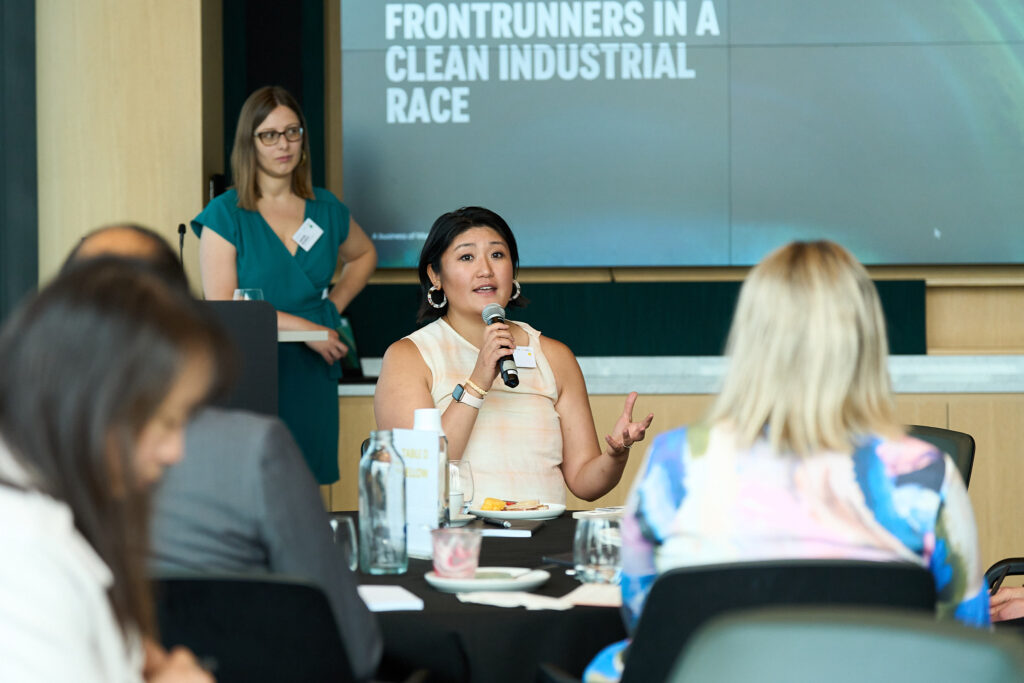
New engines of growth: frontrunners in a clean industrial race

Mission Possible Partnership (MPP) and Oliver Wyman co-hosted an interactive breakfast among 30 industry, policy and finance leaders, examining the “Bright Spots” of projects in the clean industrial landscape, and exploring new data and insights from MPP’s Global Project Tracker.
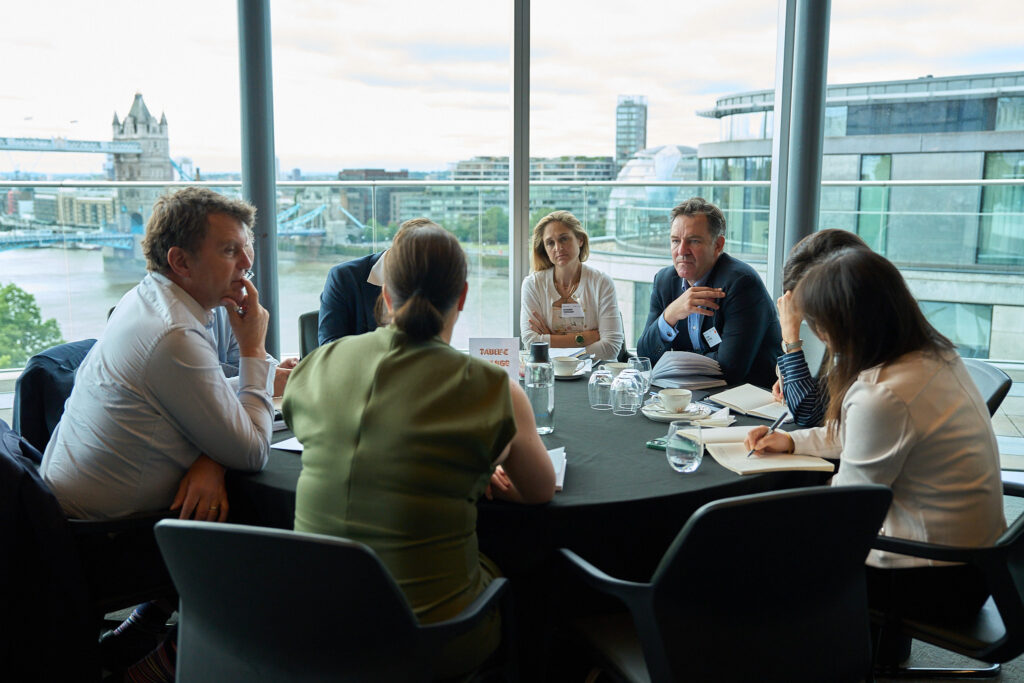
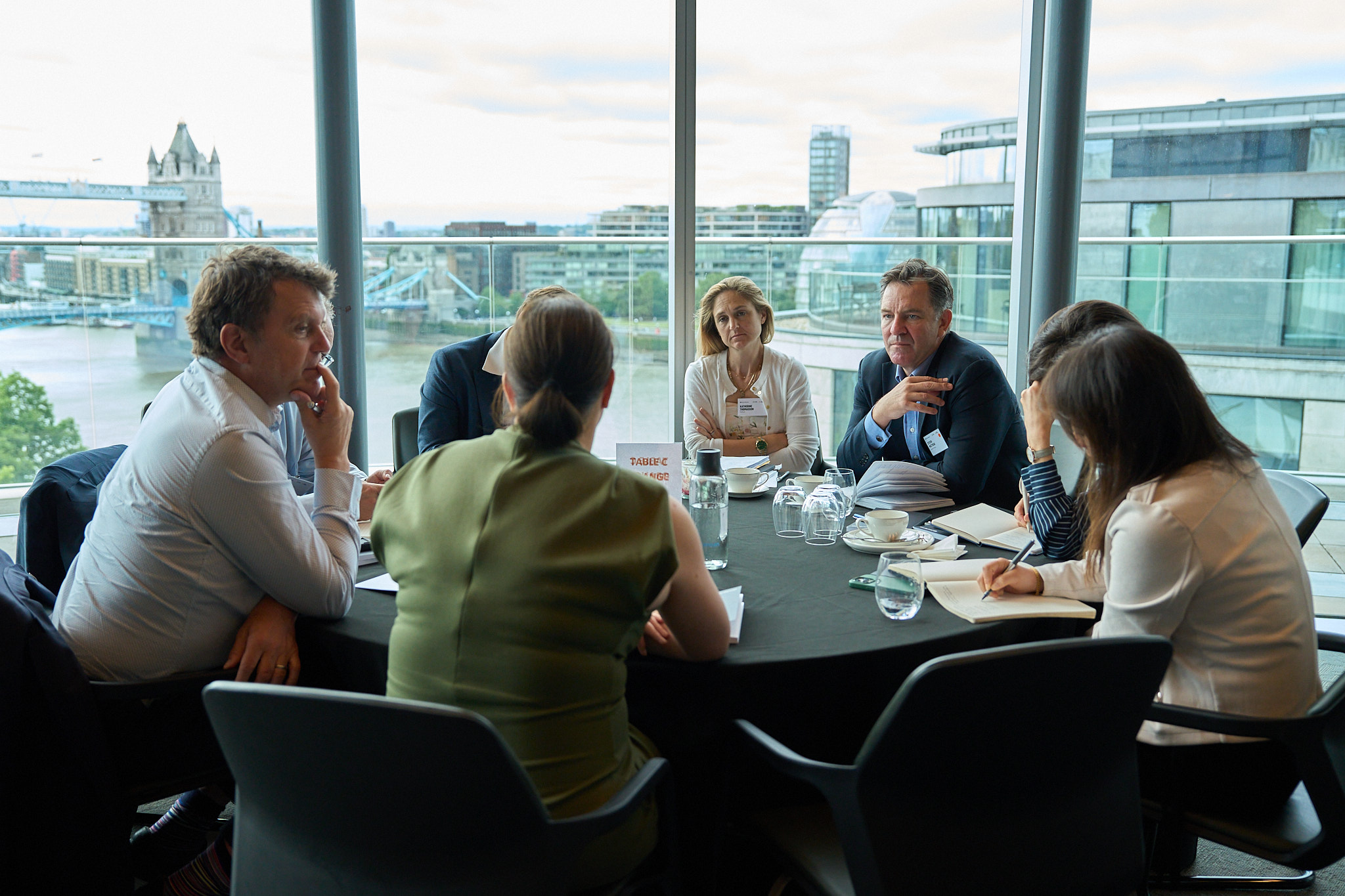
Looking at the state of the clean industrial pipeline today, this event examined new data and discussed clean industry transformation global trends from MPP’s Global Project Tracker (released days earlier, on 19 June).  We heard directly from project developers on finding solutions to challenges and improving bankability for large-scale clean industrial projects.
MPP’s CEO, Faustine Delasalle give a personal reflection on LCAW and the progress of clean industry

“Since the beginning of the year, we have been living through a whirlwind of global geopolitical and economic changes. The last few weeks were no exception, with military conflicts, tariffs, and heatwaves making headlines. It takes a good dose of stubborn optimism to keep seeing and seizing opportunities in that storm. But I reach the mid-year point confident that these opportunities exist, including in clean industry.


We can see that clean industry transformation is on the way – the ‘new industrial sunbelt’ is driving a diversification of industrial centres across the globe and the pipeline of commercial-scale, clean industrial projects is rapidly expanding.

It’s one year on from the publication of our first Global Project Tracker and with the latest update we can see that clean industry transformation is on the way – the ‘new industrial sunbelt’ (more on this below) is driving a diversification of industrial centres across the globe and the pipeline of commercial-scale, clean industrial projects is rapidly expanding. If every project in it were to go into operation that would mean a reduction of around 1 Gt of CO2 emissions per year. It would also unlock $1.6 tn of investment, with more than half flowing in emerging markets and developing economies, open-up new win-win trade relationships between regions with different competitive strengths, and in turn would bring huge socio-economic benefits.
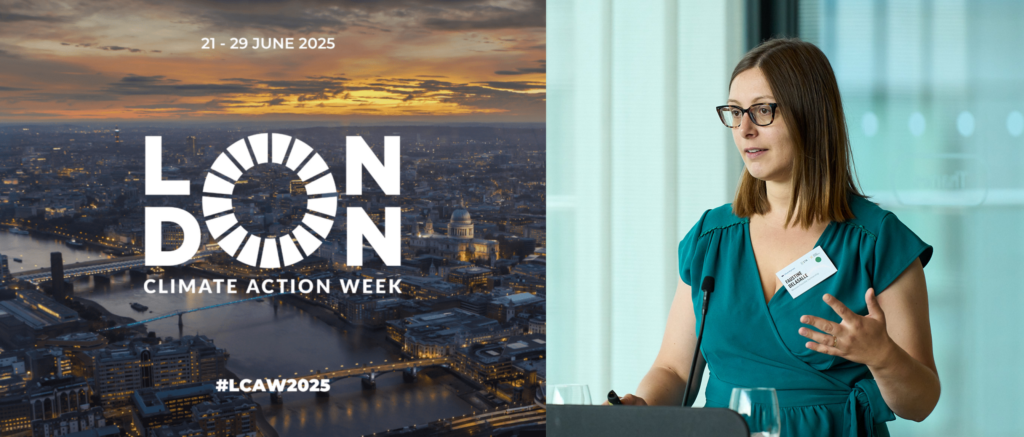
Hot on the heels of our report, London Climate Action Week kicked off, more packed than usual. Three things stood out for me throughout the week:

  • ‘We mean business’ is not just the name of one of MPP’s close partners, who powerfully brings the voice of leading businesses on the climate agenda since the Paris Agreement. It’s the narrative that is rightly gaining traction: investing in the energy and industry transition yields short-term economic benefits and long-term competitiveness. In that quest to demonstrate the bankability of clean technologies though, we shouldn’t lose track of the most fundamental business case: the climate breakdown will yield an economic breakdown, hitting vulnerable communities first, and that’s reason enough to invest in climate solutions, even those that entail an upfront cost
  • What the world needs at this juncture is action-focused discussions on how to drive progress in the real economy now. I was pleasantly surprised that most sessions throughout the week were precisely thought through to enable such exchanges on the ‘how’, seeding collaborations between companies, financiers, government interlocutors, and civil society organisations. I was delighted to be able to share the learnings from our team’s work with project developers on the ground from Brazil to Australia on how to most effectively accelerate final investment decisions for clean industrial projects, including through value chain partnerships, demand-stimulation policies, and market derisking
  • Spotting and seizing opportunities to speed up action on climate and nature can often feel like a relentless job in 2025. But we can tap into a growing source of renewable energy and optimism: the community of brilliant practitioners from a vast array of backgrounds and organisations who are wholeheartedly committed to this mission. In London, I was grateful for the opportunity to listen to, exchange with, and learn from many new and old fellow travellers who are bringing a myriad of solutions to life. As we go back to our day jobs – possibly after a holiday break – let’s not forget that this collaborative spirit is not just a wonderful mood-booster to be enjoyed at LCAW and NYCW, but an essential behaviour to drive effective action year-round”

Faustine Delasalle
CEO Mission Possible Partnership I Executive Director Industrial Transition Accelerator

Mission Possible Partnership | MPP

Mission Possible Partnership (MPP) is an independent non-profit organisation advancing global clean industry transformation. Since 2019, we have been working with some of the most energy-intensive industries: aluminium, aviation, cement, chemicals, shipping and steel, to cut their nearly 25% of global GHG emissions. ​

We mobilise business, finance, government and civil society leaders to speed up the shift to clean materials, chemicals and fuels. Having charted sectoral pathways to net-zero, we continue to forge new territory, lifting the barriers to enable a critical mass of clean industrial projects to break ground by 2030.

Industrial Transition Accelerator | ITA

The ITA is a global multi-stakeholder platform -managed by Mission Possible Partnership – to fast-track decarbonisation across heavy-emitting industry and transport sectors.  It aims to significantly grow the pipeline of commercial-scale, clean industrial projects to reduce emissions by 2030.

Build Clean Now | BCN

Build Clean Now is a global campaign bringing together governments, companies and finance to accelerate the pace at which clean industrial projects are financed and built, year-on-year. It is led by the Industrial Transition Accelerator (ITA) and Mission Possible Partnership (MPP).

More to Explore

14th November 2024 – Governments must urgently act to stimulate demand for low-and near zero-carbon materials, chemicals and fuels to accelerate

Introduction Electrolytic or “green” hydrogen has garnered significant interest for its potential to reduce emissions across industrial sectors such as

Launched today, a new report from Mission Possible Partnership (MPP) in collaboration with RMI reveals that clean hubs can be

Ocean ports around the world represent major sources of coastal air pollution, with fossil fuel-powered ships, trucks, and heavy equipment

Subscribe to our newsletter

Discover how we advance clean industry transformation globally, be first to know our latest news, projects, reports and events. 

Unsubscribe at any time.

"*" indicates required fields

Name*
Your area of activity

Download

Please enter your email to download our reports

Unsubscribe at any time.

"*" indicates required fields

Name*
Your area of activity

Download

Please enter your email to download our reports

Unsubscribe at any time.

"*" indicates required fields

Name*
Your area of activity

Download

Please enter your email to download our reports

Unsubscribe at any time.

"*" indicates required fields

Name*
Your area of activity

Download

Please enter your email to download our reports

Unsubscribe at any time.

"*" indicates required fields

Name*
Your area of activity

Download

Please enter your email to download our reports

Unsubscribe at any time.

"*" indicates required fields

Name*
Your area of activity